About Digital Detox
Empowering youth to find balance in the digital age through meaningful connections with nature and community.
Our Mission
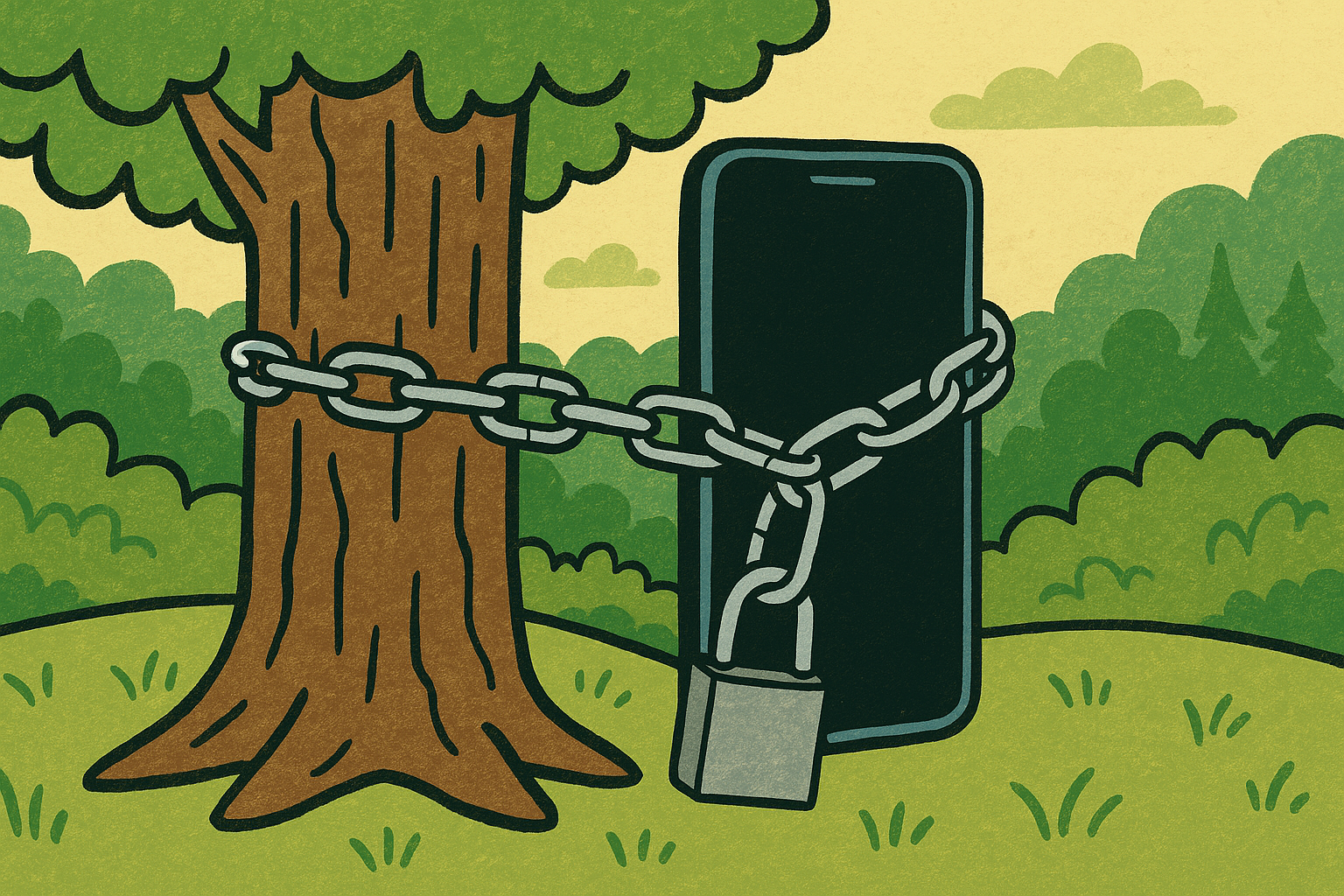
The Digital Detox project aims to address the growing challenge of social media addiction among young people by providing innovative nature-based experiences that promote mental wellness, environmental awareness, and intercultural understanding.
Through carefully designed workshops and outdoor activities, we create safe spaces for youth to disconnect from digital devices and reconnect with themselves, others, and the natural world.
Our Goal
Promote digital wellness
Our Focus
Youth development
Our Objectives
We work towards creating long lasting positive change in young people's relationship with technology and nature.
Digital Wellness
Promote healthy digital habits and awareness about social media impact
Community Building
Foster meaningful connections and peer support networks
Cultural Exchange
Facilitate intercultural learning and European cooperation
Skill Development
Build practical life skills and environmental awareness
Who We Serve
Young People (15-30)
Our primary target group, including students, young professionals, and youth activists
Urban Youth
Young people living in cities with limited access to natural environments
Digital Natives
Generation Z and Millennials seeking balance between digital and natural worlds
Target Audience
Our project is designed to meet the specific needs of young people navigating the challenges of digital overload while living in increasingly urbanized environments.
Our Impact
Creating measurable positive change in youth well-being and environmental consciousness.
Mental Health
85% of participants report reduced anxiety and improved mental well-being
- • Reduced screen time by 60%
- • Improved sleep quality
- • Enhanced mood regulation
- • Better stress management
Social Skills
90% develop stronger interpersonal relationships and communication skills
- • Face-to-face communication
- • Team collaboration
- • Cultural awareness
- • Community engagement
Environmental
75% become actively involved in environmental protection activities
- • Nature conservation
- • Sustainable practices
- • Outdoor activities
- • Eco-awareness